Caribbean Food Centennial: Celebrating the Heart of Caribbean Kitchens

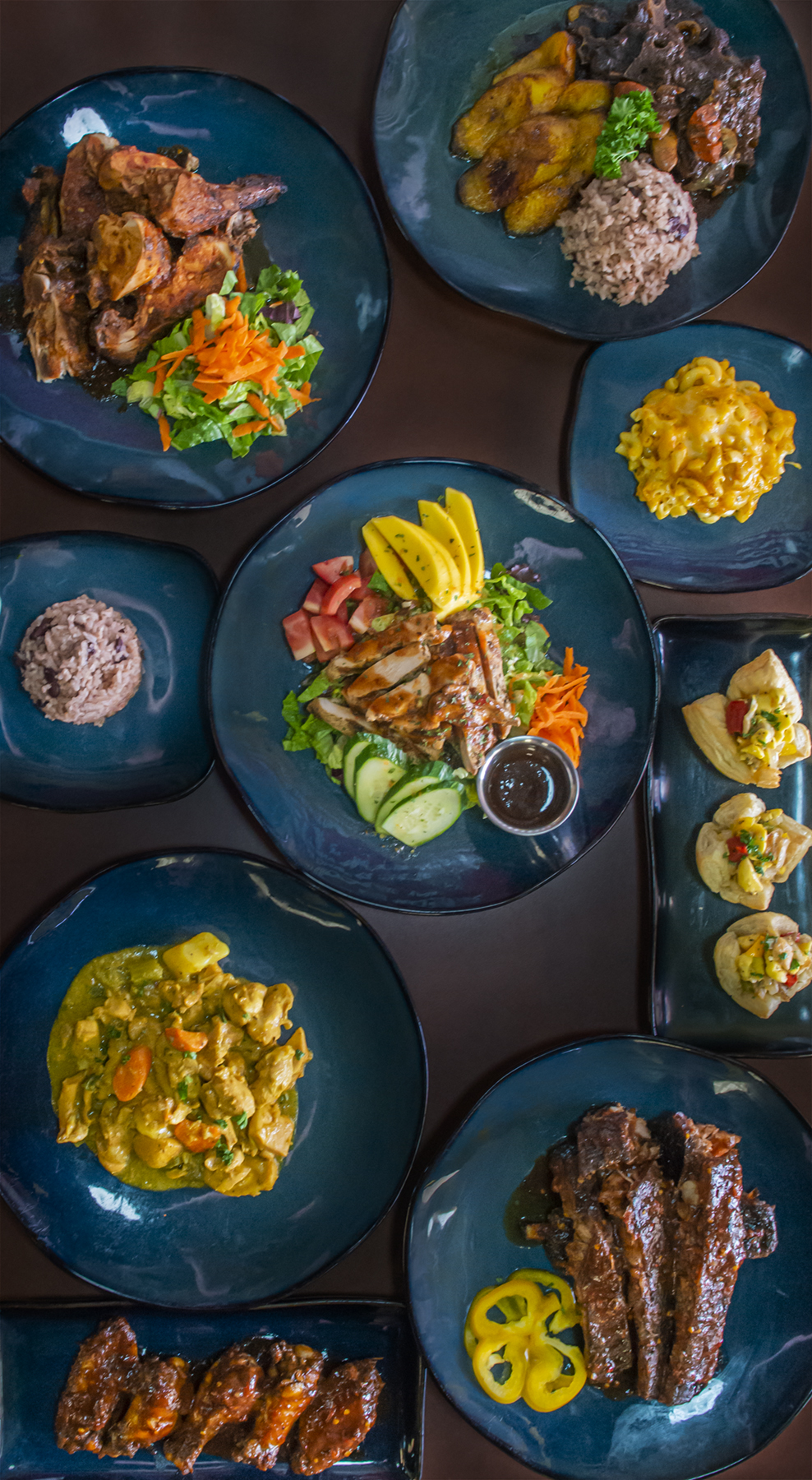
A centennial invites more than nostalgia. It asks us to count what endured, what changed, and what still deserves protection. When people talk about a caribbean food centennial, they are not simply marking one hundred years on a calendar. They are honoring a living kitchen tradition shaped by migration, plantation economies, Indigenous knowledge, African technique, European trade, South Asian spice culture, Chinese influence, and generations of cooks who knew how to turn limited means into unforgettable meals.
The Caribbean has always cooked in layers. A plate of food there is rarely just food. It carries memory, weather, scarcity, joy, ceremony, and survival. The scent of coconut milk simmering with thyme, the smoke from jerk pimento wood, the deep sweetness of ripe plantain hitting hot oil, the sharp lift of lime over escovitch fish, all of it belongs to a region that learned early how to preserve flavor under pressure. If this centennial means anything, it means recognizing that Caribbean kitchens have never been secondary spaces. They are where culture stayed intact even when everything else was under strain.
What makes the Caribbean culinary story so compelling is its refusal to flatten into one identity. Jamaica is not Trinidad. Haiti is not Barbados. Puerto Rico is not Dominica. Yet anyone who has cooked across these islands, or eaten widely among them, can feel the family resemblance. There is a shared logic in the use of aromatics, stewing methods, root crops, salt fish, peppers, coconut, rice, beans, and one-pot cooking. There is also a shared reverence for food as an act of gathering. In many Caribbean homes, feeding people well is still treated as a matter of character.
The kitchen as archive
Long before food writing became fashionable, Caribbean grandmothers were already historians. They measured by hand, judged heat by sound, and knew the exact point when a pot of peas and rice needed the lid left alone. Much of the region’s culinary knowledge was transmitted orally, often without written recipes. That fact is sometimes mistaken for a lack of sophistication. The opposite is true.
A cook who can make a proper callaloo without a recipe is working from an archive held in muscle memory. She knows when ochro has thickened the pot just enough. She knows whether dasheen leaves need more time to soften or if the crab should go in later. She understands that the flavor is not built in one dramatic gesture but in a series of small judgments, each one informed by repetition. That kind of expertise rarely gets formal recognition, but it should.
The centennial frame matters because it encourages documentation without stripping away intimacy. Many Caribbean recipes have changed over the last hundred years, partly because ingredients travel differently caribbean food centennial now, partly because migration created substitute traditions. A Jamaican family in London may use one type of Scotch bonnet, while a Trinidadian household in Toronto may adjust green seasoning depending on what herbs are available that week. The recipe survives, but it also adapts. That adaptability is one of the region’s greatest culinary strengths.
A century of change, one pot at a time
If you compare Caribbean cooking from the early twentieth century to today, a few shifts stand out immediately. Access to refrigeration altered preservation habits. Urbanization changed market rhythms. Imported goods became more common, then more expensive, then sometimes politically charged. Tourism introduced commercial pressure, rewarding dishes that looked familiar to visitors while often sidelining more rustic preparations.
Yet home cooking remained remarkably resilient. That resilience is easier to understand when you remember that Caribbean food developed under constraint. Salted meats and fish were not delicacies at first, they were practical. Ground provisions like yam, cassava, eddoes, and sweet potato were reliable calories. Tough cuts became tender through long cooking. Spice did more than excite the palate, it transformed simple ingredients into meals people looked forward to.
Over the last hundred years, another important change took place: dishes once viewed as ordinary or poor people’s food began to receive serious appreciation. Breadfruit, for example, spent years being undervalued in some households, seen as old-fashioned or too plain. Now it appears roasted, pureed, chipped, or folded into contemporary menus as chefs and home cooks alike return to ingredients with local roots. The same is true for sorrel, cassava, pigeon peas, and many bush teas. A centennial celebration creates room to say plainly that these foods were never lesser. They were foundational.
The ingredients that carry the region
Any honest tribute to Caribbean kitchens has to begin with ingredients that do the heavy lifting. Not expensive ingredients, necessarily. Useful ones. Distinctive ones. Ingredients that tell you where you are before anyone needs to explain.
Scotch bonnet pepper is one of them. It is hot, yes, but its value goes well beyond heat. A ripe bonnet carries fruitiness, perfume, and a kind of brightness that red pepper flakes can never imitate. Used carefully, it sharpens a whole pot without dominating it. Used carelessly, it overwhelms. That balance is part of the cook’s skill.
Thyme is another quiet giant. Across the region it appears in stews, soups, marinades, and stuffings, often as naturally as salt. Coconut milk provides body and sweetness, but also softness, especially in rice dishes and braises. Pimento, known elsewhere as allspice, is central in Jamaica and indispensable in jerk traditions. Culantro, shadow beni, chadon beni, and green seasoning define large parts of Trinidadian and wider Caribbean flavor logic in a way that cannot be replaced by parsley alone.
Then there are the starches that make meals feel complete: rice, dumplings, plantain, cassava, green banana, breadfruit, provisions. Caribbean food rarely treats starch as an afterthought. It is structural. It catches gravy, cools heat, and turns a flavorful side into a real meal.
Signature dishes, and what they reveal
A region this diverse cannot be reduced to a handful of “iconic” plates, but some dishes reveal the architecture of Caribbean cooking especially well. Jerk, for instance, is often misunderstood outside Jamaica as a generic spicy sauce. Proper jerk is a method, a preservation logic, and a flavor profile built on pimento, Scotch bonnet, scallion, thyme, and smoke. Cooked traditionally over pimento wood, it develops a depth that standard grilling does not fully reproduce.
Pelau from Trinidad and Tobago tells another story. Here you see caramelized sugar meeting meat, rice, pigeon peas, coconut milk, herbs, and patience. It is a one-pot dish with range. Done badly, it tastes flat and muddy. Done well, it has sweetness, savor, smoke, and distinct texture in every spoonful. It also reflects a social reality of Caribbean cooking: the best dishes are often designed to feed many people without fuss.
Haitian griot, with its marinated pork, citrus, epis seasoning, and crisp finish, demonstrates the power of contrast. So does Puerto Rican pernil, where garlic, oregano, and slow roasting transform a large cut into something celebratory and deeply familiar. Barbadian cou-cou and flying fish, Dominican sancocho, Guyanese pepperpot, Jamaican ackee and saltfish, Cuban black beans and roast pork, all of these dishes reveal a practical genius. They extract richness through layering, timing, and confidence.
A serious caribbean food centennial should resist the temptation to crown one dish over another. The point is not to stage a culinary competition between islands. The point is to see how each kitchen contributed to a regional language of generosity and intensity.
Why Sunday still matters
Ask people from across the Caribbean what meal feels most like home, and many will mention Sunday. Sunday lunch or Sunday dinner, depending on the island and household, remains one of the strongest culinary rituals in the region and throughout the diaspora. It is a meal with emotional gravity.
There is usually a sequence to it. Someone begins early. Meat gets washed and seasoned. Rice is measured. Peas soak or tins are opened depending on habit and time. A dessert may appear almost casually, but someone thought about it in advance. Music might be on. Children hover and get in the way. An aunt checks the pot even if she is not the one cooking. Nobody calls this heritage work, but that is exactly what it is.
What makes the Sunday meal so important is not only the menu. It is the discipline of showing up. You learn manners there, but you also learn flavor standards. You discover how gravy should coat rice, how crisp a fried fish ought to be, how long macaroni pie needs to set before cutting. Many professional cooks from Caribbean families started by absorbing these details around a Sunday table, whether or not they realized it at the time.
Migration changed the map, not the appetite
The Caribbean story cannot be told only through the islands themselves. It must also be told through Brooklyn, Toronto, London, Miami, Montreal, Panama, and countless other places where Caribbean people built communities and carried recipes with them. Migration did more than spread these foods, it forced cooks to innovate.
In colder climates, people had to learn which vegetables could stand in for home ingredients without insulting the dish. Salt fish remained available in many cities, but some greens were harder to find. Fresh coconut might be replaced by frozen or canned. Breadfruit could become a prized freezer item, brought back in suitcases or purchased when a specialty market got a shipment. The quality varied. So did the price.
That scarcity often sharpened respect for ingredients. A cook in Kingston may grumble if callaloo is slightly overpriced one week. A cook in Birmingham might buy extra because she does not know when the next good bundle will arrive. The diaspora kitchen became a place of invention. Green seasoning got adapted. Pepper sauce recipes shifted. Certain bakery items became treasured symbols of continuity.
Migration also changed public perception. Dishes once confined to family tables entered restaurants, food trucks, festivals, and fine dining menus. Some of this visibility has been positive. More people now understand that Caribbean food extends far beyond patties and jerk chicken, though both have earned their popularity. Some of it has been reductive. Menus often package Caribbean cuisine as heat and color while ignoring its technique, discipline, and regional distinctions.
That is one reason a centennial conversation feels timely. It gives cooks, writers, and eaters a chance to insist on nuance.
The women who kept the flame, and the men who learned beside them
Caribbean kitchens are full of strong personalities, and in many families women carried the primary burden of cooking while also working, caregiving, stretching budgets, and preserving rituals. Their contribution cannot be romanticized into invisibility. They did hard labor. They woke early, seasoned thoughtfully, made do with what was available, and fed people who often took the skill for granted because it seemed so constant.
At the same time, many men played meaningful culinary roles, particularly around outdoor cooking, fishing, roasting, jerk pans, and feast days. In some households, a man would never touch the daily pots but became highly particular about Christmas ham, goat curry, or grilling fish over coal. In others, fathers and grandfathers were steady everyday cooks with exacting standards. The broader truth is that Caribbean food culture has always been collaborative, even when labor was unevenly distributed.
One of the more encouraging shifts in recent decades has been the public recognition of home cooks as experts in their own right. Not every authority wears a chef’s jacket. Some of the best technique still lives in ordinary kitchens where nobody is plating for cameras.
What gets lost when recipes are simplified
As Caribbean food grows in popularity, simplification becomes a risk. It is tempting for publishers and restaurants to streamline recipes for speed or ingredient accessibility. Sometimes this is useful. Not everyone can smoke meat over pimento wood or source every herb fresh. But there is a line between adaptation and dilution.
Take curry. Caribbean curry traditions are not interchangeable with Indian restaurant curries, and even within the Caribbean there are meaningful differences. A Trinidadian curry duck or goat relies on a specific relationship between green seasoning, curry powder, geera, garlic, onion, and the crucial “burning” or toasting of curry in oil before liquid is introduced. Skip that stage and the final dish loses depth. The recipe may still be edible, but it will not land with the same authority.
The same principle applies to rice and peas, which is often treated abroad as a simple side dish. In reality, the best versions have a texture balance that takes care. The rice should be separate but not dry. The coconut should be present but not cloying. The peas should retain integrity. The aromatics should support, not dominate. These are not impossible standards, but they matter.
If the caribbean food centennial is to mean anything beyond decoration, it should encourage people to preserve methods, not just names.
The market, the garden, and the sea
Caribbean food has always depended on proximity, to markets, to backyard trees, to the sea, to neighbors who traded produce over a gate. This is one reason local food knowledge runs so deep. People knew when mango season peaked, how to judge a good breadfruit by feel, which fish were best in certain months, and how to use every part of what they bought.
That intimacy with ingredients shaped flavor. A tomato picked ripe in heat behaves differently from one hauled long distance in cold storage. A just-opened coconut gives sweetness and aroma no carton can quite replicate. Fish cooked the same day it is caught needs less interference. Even herbs cut minutes before seasoning meat retain a liveliness that changes the whole dish.
Today, climate pressure, import dependence, and shifting agricultural patterns complicate that relationship. Some ingredients are more expensive. Some are less consistent. Fisheries face strain. Traditional crops can lose ground to development or changing tastes. All of this makes culinary preservation inseparable from environmental and agricultural care. You cannot protect Caribbean food while neglecting the conditions that allow Caribbean ingredients to thrive.
Building the next hundred years
If there is a practical mission behind a centennial celebration, it is this: make sure the next generation inherits more than restaurant branding. They need context. They need technique. They need the stories that explain why certain foods appear at wakes, weddings, Christmas mornings, beach limes, and Sunday tables.
A few habits make a real difference:
- Write down family recipes, including the sensory cues that recipes often omit.
- Record elders cooking, especially their explanations for timing and substitutions.
- Teach children to prepare at least a few core dishes from scratch.
- Support local growers, fishers, bakers, and small food businesses when possible.
- Name dishes accurately, with island and cultural specificity where it matters.
These are simple acts, but they carry weight. The detail that a stew should darken before stock goes in, or that a pastry dough should rest longer in humid weather, may seem minor until nobody remembers it.
Culinary schools, tourism boards, and media outlets also have a role to play. They can choose to present Caribbean food as a serious body of knowledge rather than a colorful backdrop. That means respecting regional vocabulary, crediting origins, and inviting home cooks into the conversation alongside chefs.
More than a feast
The finest Caribbean meals do something subtle. They make abundance feel emotional, even when the ingredients are modest. A pot of soup on a Saturday, a tray of baked macaroni, a plate of fried snapper with festival, a bowl of split pea soup with dumplings, these foods comfort because they were designed around care. Not sentimentality, care. Someone thought about satiety, flavor, timing, and the pleasure of being fed.
That is why the heart of Caribbean kitchens is not spectacle. It is steadiness. It is the person who knows how to stretch a meal when extra guests arrive. It is the cook who keeps pepper sauce in the fridge because a table never feels complete without it. It is the instinct to send visitors home with food wrapped up for later. Across the region, generosity remains one of the most consistent culinary values.
A century is long enough to see trends come and go. Fusion rises. Minimalism takes its turn. Social media creates sudden obsessions. Through all of it, Caribbean food keeps its center because it is built on foundations stronger than fashion. It understands seasoning, patience, thrift, hospitality, and the pleasure of a full plate shared in good caribbean food centennial company.
The real celebration of a caribbean food centennial belongs in those kitchens, busy, warm, and alive with memory. Not as museums, but as working spaces where old methods still earn their place and new voices add to the story. The pots are still on. The recipes are still moving. The region is still feeding the world in the most honest way it knows: one deeply seasoned meal at a time.
Reggae Pot Jamaican Grill
Address: 7562 S University Blvd Unit C, Centennial, CO 80122
Phone: (303) 997-5623
FAQ About caribbean food centennial
What Jamaican dishes can I try in Centennial?
Reggae Pot Jamaican Grill serves Jamaican specialties such as jerk chicken, stewed oxtail, curry goat, and ackee and saltfish. Check the current menu for availability.
What is ackee and saltfish?
It is Jamaica’s national dish. The restaurant prepares ackee with salted cod, onions, thyme, tomatoes, garlic, black pepper, and pimento.
Can I order Jamaican food for pickup in Centennial?
Yes. Choose the Centennial location at 7562 S University Blvd Unit C when placing a takeout order.