Jamaican Food Centennial: Recipes, Rituals, and Remembrance
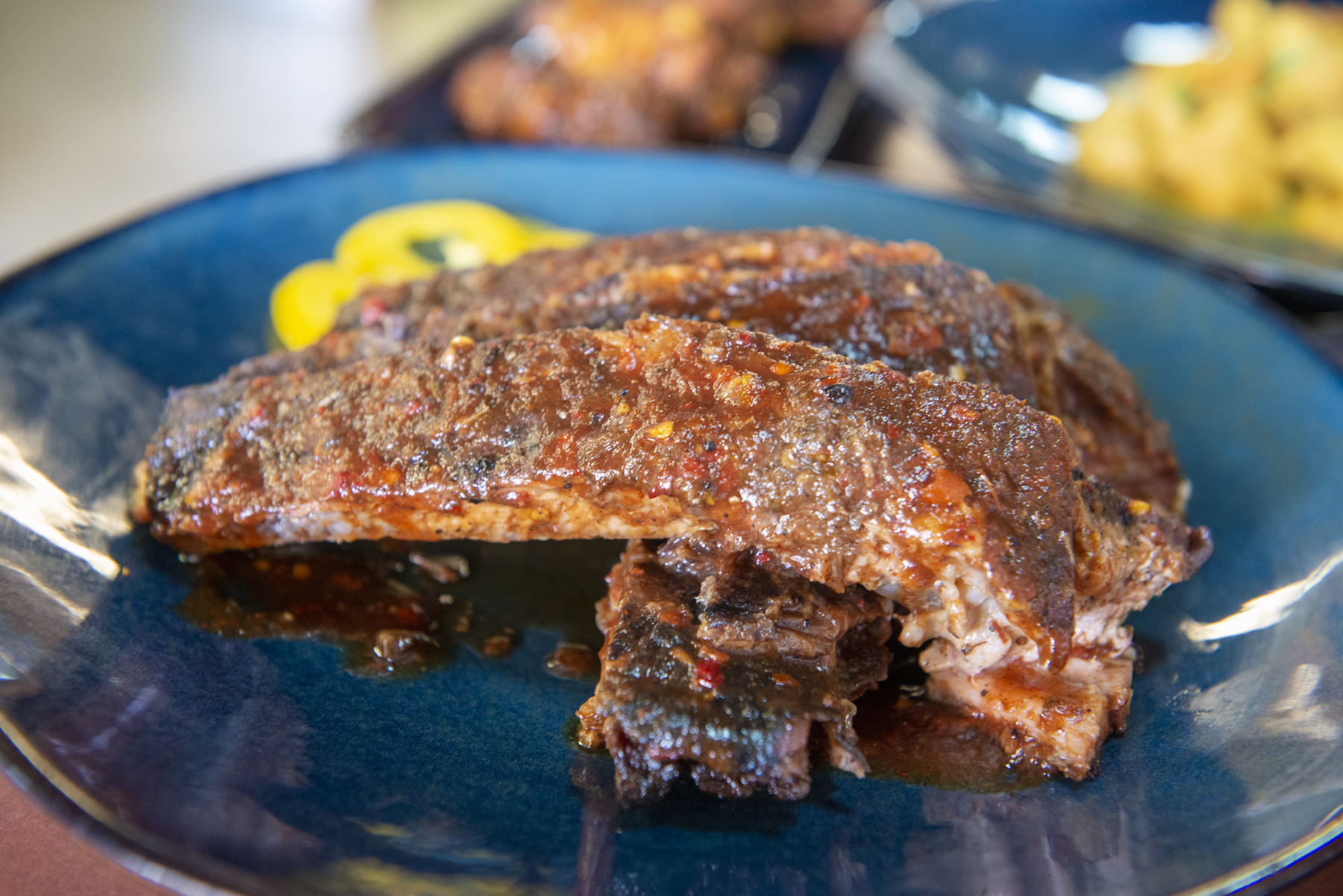
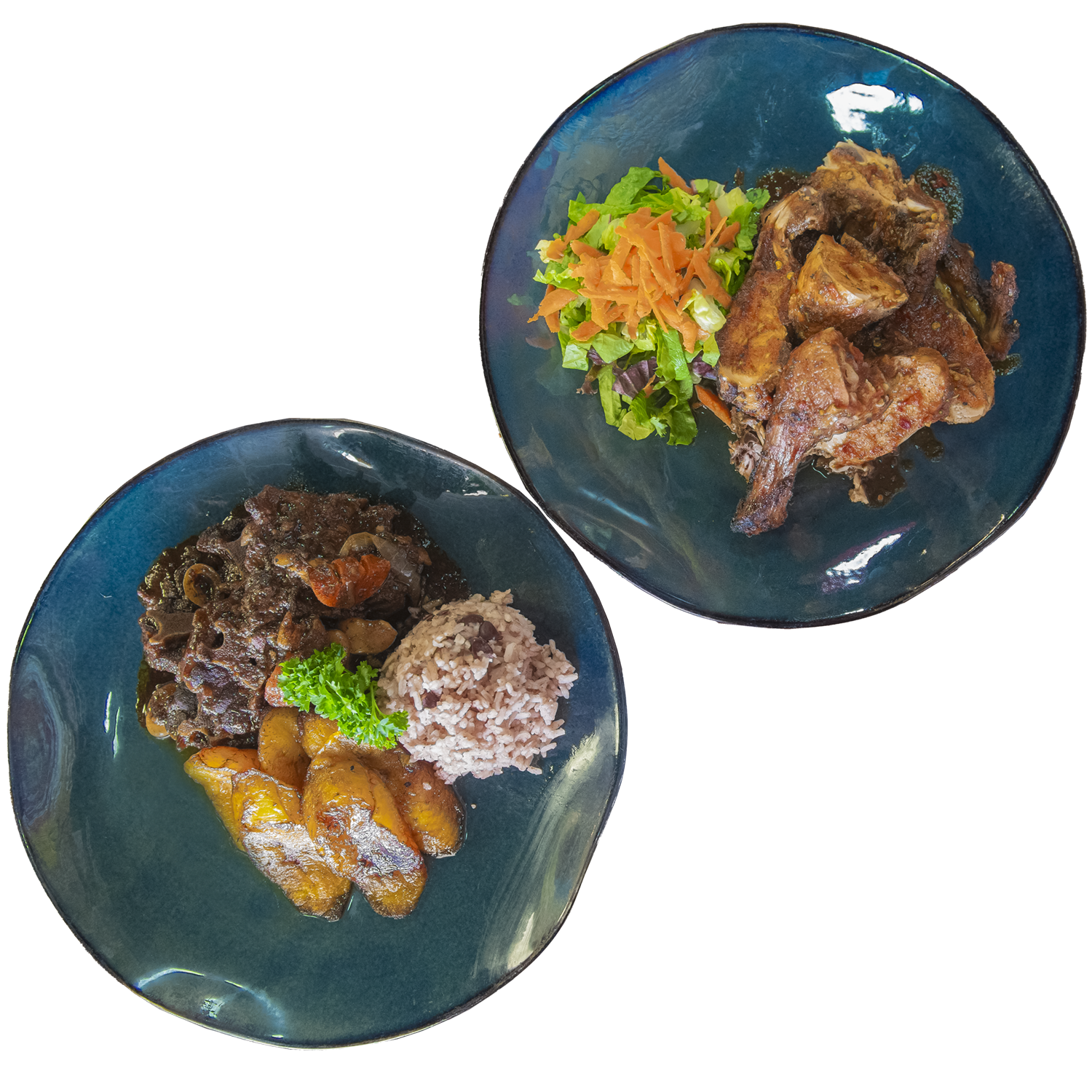
A centennial asks for more than a party. It asks what has endured, what has changed, and what deserves carrying forward with intention. In the case of Jamaican food, that reflection lands in the kitchen long before it reaches the speech podium. It lives in the steam rising from rice and peas, in the sharp perfume of allspice and scallion, in the patience required for a proper curry goat, and in the quiet authority of the person who knows exactly when the frying oil is ready without looking at a thermometer.
When people talk about a jamaican food centennial, they often mean a milestone celebration, one hundred years marked by memory, family, migration, and public ceremony. But food does not observe time in neat blocks. It accumulates. A dish can hold a grandmother’s touch, a market vendor’s instinct, colonial history, African technique, Indian spice logic, Chinese adaptation, and the practical realities of what grew in the yard this week. That is what makes Jamaican cooking so compelling. It is not a museum piece. It is a living record.
I have always thought that the best way to understand Jamaican food is to stop treating it as a menu category and start treating it as a set of practices. The recipes matter, of course, but the rituals matter just as much. So does the remembrance, because many of the dishes most associated with celebration were built from thrift, resilience, and a refusal to waste flavor or labor. A centennial celebration worth attending should make room for all of that.
The table as archive
In many Jamaican households, food is where history becomes ordinary enough to survive. Not every family writes things down. Some do, most do not. Measurements are often relational rather than fixed. A cook may say “walk by and stir it,” or “add water till it look right,” and for an outsider that can sound evasive. It is not. It is a form of embodied knowledge. It assumes you are paying attention.
That way of cooking can frustrate younger generations who want precision, especially those raised far from Jamaica and trying to recreate taste across distance. Yet it is also one of the reasons the cuisine remains vivid. Jamaican food depends heavily on judgment. A Scotch bonnet can be fruity and gentle one week, aggressive the next. A breadfruit may need a few extra minutes over the flame. A pot of callaloo changes depending on whether the greens are tender and young or broader and mature. The recipe is never only the recipe.
Centennial celebrations bring this tension into focus. Public events like church anniversaries, independence dinners, family reunions, school commemorations, and diaspora festivals tend to feature iconic dishes. But behind every tray of escovitch fish or every pan of sweet potato pudding is a chain of people who learned by watching, correcting, repeating, and feeding others. Remembrance sits there in plain sight.
The dishes that show up when it matters
Certain foods carry ceremonial weight in Jamaica because they appear at moments that count. That does not mean people eat them only on special occasions. It means they become especially legible at those times.
Jerk, for example, is often flattened outside Jamaica into a flavor profile, usually reduced to “spicy grilled chicken.” In practice, jerk is both technique and lineage. Traditional jerk depends on smoke, pimento wood if available, careful seasoning, and time. The marinade is not merely heat. It is depth from scallion, thyme, allspice, ginger, garlic, and Scotch bonnet, jamaican food centennial often rounded by soy sauce, salt, sometimes brown sugar, and whatever a particular cook trusts. Done well, it tastes layered rather than loud. It should sting a little, smell irresistible, and leave a savor that lingers after the fire settles.
Then there is rice and peas, which outsiders sometimes mistake for a side dish without consequence. In Jamaican cooking, that misses the point. Rice and peas is infrastructure. It anchors the plate, absorbs gravy, and gives shape to Sunday dinner and holiday meals alike. The “peas” are commonly kidney beans or gungo peas depending on season and occasion, and the best pots carry coconut milk, thyme, scallion, garlic, whole Scotch bonnet, and enough care that each grain stays separate while still tasting richly seasoned. If the rice is bland, the meal feels unfinished.
Curry goat belongs to the long story of Indian influence in Jamaica, and it is one of the dishes that rewards patience without fail. Goat needs time. The curry needs blooming in oil. The seasoning must penetrate. At its best, the sauce is thick enough to cling to the meat and fragrant enough that you smell it before the lid comes off. Shortcut versions exist, but they rarely satisfy. For a centennial event, this is exactly the kind of dish that tells guests someone took the day seriously.
Ackee and saltfish, the national dish, carries its own symbolism. Ackee’s buttery softness and salt cod’s assertive savor create a balance unlike anything else in the Caribbean. Add onions, tomatoes, Scotch bonnet, scallion, thyme, and black pepper, and the dish becomes at once luxurious and humble. It can read as breakfast, brunch, lunch, or celebration fare depending on what accompanies it. Fried dumpling, roasted breadfruit, boiled green banana, and yam each shift the meal’s register in subtle ways.
Desserts and baked goods deserve equal respect in centennial conversations. Jamaican black cake is less a dessert than a ritual object. The fruit soak alone can become family lore, with raisins, prunes, currants, cherries, and mixed peel steeped in rum and wine for weeks, months, or in some homes, replenished year after year. Gizzada, grater cake, toto, duckunoo, and sweet potato pudding tell another story, one tied to coconut, spice, root crops, and a strong local jamaican food centennial sweet tooth tempered by texture and warmth rather than sheer sugar.
What a centennial menu reveals
A well-built commemorative menu says as much through its omissions as through its inclusions. Not every beloved dish scales well. Not every festive dish holds up under chafing dishes and delayed service. People planning a jamaican food centennial often discover that memory and logistics do not always agree.
Fried foods are a good example. Festival and fried dumpling can be glorious when fresh, but they lose character if made too early. Bammy can turn stiff if mishandled. Escovitch fish remains magnificent, but only if the fish is fried properly and the pickled vegetables retain brightness. A hundred guests do not make these foods easier, they simply magnify every mistake.
This is where experienced cooks earn their keep. They know which dishes improve with rest, which can be par-cooked, which must be finished close to service, and which need a designated person watching them rather than a casual volunteer. Oxtail often tastes even better after a night in the pot, once the gravy settles and deepens. Mannish water can hold beautifully if skimmed and reheated with care. Curried chickpeas and stewed peas are forgiving in ways that make them smart for large gatherings. Jerk can be partially prepared ahead, but if it never sees smoke or at least live flame, it loses some of its soul.
The social function of the meal matters too. A church hall dinner after speeches needs plates that move efficiently. A family yard gathering can be looser, more generous, more improvisational. A formal centennial gala may call for plated courses, but Jamaican food rarely reaches its emotional peak in tiny architectural stacks. It wants enough room on the plate to mingle.
Rituals that outlast recipes
Recipes travel well enough. Rituals travel less easily, yet they are often what people miss most.
One ritual is the shared labor before a major event. Someone cleans scallion at the sink. Someone else washes thyme and peppers. Meat gets seasoned in giant basins. Coconut is grated, or in many diaspora kitchens, someone quietly substitutes canned coconut milk while insisting they can still taste whether the cook meant well. Music plays. Stories drift in and out. There is usually some disagreement about whether a younger person is chopping too large, too small, too slow, or too confidently. This is not inefficiency. It is social transmission.
Another ritual is tasting as you go. Jamaican cooks tend not to outsource judgment to timers and labels. They taste broth for salt, gravy for depth, peas for doneness, and pudding for spice balance. That habit seems obvious, but it reflects a broader cooking culture in which the senses remain primary. The pot speaks first through smell. Then through appearance. Then through taste. Only after that does certainty arrive.
Then there is the plate itself, especially at gatherings where elders are present. Serving is rarely neutral. Who is served first, who gets the “good piece,” who receives an extra spoonful of gravy, who is urged to take more, these are forms of care and hierarchy. In some homes, this choreography happens wordlessly. In others, it happens with a running commentary half teasing, half command. Either way, it is part of the meal.
For a centennial celebration, preserving even a few of these rituals can matter more than pursuing polished presentation. It may be better to let an elder season one pot and tell the story behind it than to outsource every tray to a caterer, however competent. The food should still eat well, certainly, but remembrance needs voices attached.
A few dishes worth preserving exactly as they are
Some recipes invite adaptation and some resist it. Jamaican cuisine has room for both instincts, but centennial cooking benefits from knowing the difference.
- Jerk should keep its backbone of allspice, thyme, scallion, and Scotch bonnet, with smoke whenever possible.
- Rice and peas should taste of coconut, herb, and pepper, not plain white rice with beans folded in.
- Ackee should be handled gently, so it stays soft and whole rather than mashed.
- Black cake should remain dark, moist, and fruit-rich, never merely a spiced sponge with a splash of rum.
- Escovitch should maintain the clean contrast between crisp fried fish and sharp pickled vegetables.
These are not rules meant to freeze a cuisine. They are standards that protect a dish’s identity. Innovation is healthy, but not every update is an improvement. A deconstructed ackee tartlet at a commemorative event may amuse guests for a minute. A proper pan of ackee and saltfish will be remembered the next day.
Migration changed the pantry, not the appetite
Any honest discussion of Jamaican food over a hundred years has to include migration. The food in Kingston is not identical to the food in Montego Bay, and neither is identical to what Jamaican families cook in London, Toronto, New York, Miami, or Birmingham. Availability shapes tradition as much as memory does.
Diaspora cooks become experts in substitution, though they rarely advertise it. Fresh callaloo may give way to spinach in a pinch. Hard dough bread might come from a Caribbean bakery rather than a home oven. Pimento wood may be impossible to source, so cooks lean harder on allspice berries and charcoal. Saltfish remains accessible in many places, but certain yams, green bananas, or breadfruit can be seasonal, expensive, or inconsistent. Sorrel may be easy to find in one city and strangely elusive in another.
This does not make diaspora cooking less authentic. It makes it adaptive. In fact, one of the signatures of Jamaican food is its ability to absorb practical change while retaining its character. The cuisine itself emerged from encounter and constraint. What matters is whether the cook understands what function an ingredient serves. Coconut milk is not there simply for richness. It brings sweetness, body, and aroma. Scotch bonnet is not just heat. It contributes fruitiness and floral top notes. Browning is not just color. It shapes the depth of stews and gravies. Once you know what each element is doing, you substitute more intelligently.
Centennial meals in the diaspora can be especially moving because they expose this negotiation openly. The menu says Jamaica. The setting says elsewhere. The result, when done well, says both.
Remembrance tastes different depending on who is eating
Older guests often measure authenticity against memory. Younger guests may measure it against discovery. Those are not the same thing.
An elder might object that the stew chicken is too sweet, the sorrel too commercial, the plantain under-ripe, or the curry too dependent on generic powder. A younger guest, especially one raised abroad, may simply be thrilled to encounter a dish they have heard about but never tasted properly. Neither response is wrong. They reflect different relationships to loss and continuity.
This matters when planning commemorative food. If the event is meant to honor a community’s long memory, then it makes sense to prioritize recognizable forms. If the goal is educational, perhaps for a museum program, school celebration, or heritage festival, then the meal may need some explanation built into it. Not with sterile labels, but with context. Why is sorrel associated with Christmas? Why does pepper pot differ from one parish or family to another? Why do patties, despite their everyday ubiquity, deserve a place in serious cultural conversations?
Food memory is rarely democratic. Certain dishes become public symbols while others remain intimate. Everyone knows jerk. Fewer people outside Jamaican circles know the full comfort of cornmeal porridge touched with nutmeg and condensed milk, or the clean restorative logic of fish tea, or the pleasure of a warm slice of cassava pone with a cup of something hot. A centennial gives organizers a chance to widen the frame.
If you were building a meaningful centennial spread
The strongest commemorative menus usually balance spectacle with intimacy. They include a few dishes everyone expects, a few that reward elders, and a few that teach without lecturing. They also respect the practical reality of feeding people well.
- Anchor the meal with one or two unmistakable centerpieces, such as jerk, curry goat, or escovitch fish.
- Add comfort dishes that hold cultural memory, like rice and peas, callaloo, fried plantain, and stewed peas.
- Include at least one breakfast or yard-food reference, perhaps ackee and saltfish in a brunch setting, or roasted breadfruit alongside mains.
- Treat dessert as part of the story, not an afterthought, with black cake, sweet potato pudding, or gizzada.
- Let someone present explain one dish from lived experience, briefly and plainly.
That final point is often overlooked. A centennial meal becomes more memorable when one person says, “This is how my mother did it,” or “In our district, we used gungo peas when they were in season.” Such remarks create texture that no menu card can replace.
The discipline behind flavor
People who cook Jamaican food seriously understand that generous seasoning is not the same as careless seasoning. There is a discipline to balance. Too much thyme can muddy a pot. Too much scallion can make a dish taste green rather than rounded. Scotch bonnet handled without restraint can flatten subtlety. Browning can turn bitter if overused. Coconut milk can crowd out other flavors if the dish becomes heavy.
This is why the best Jamaican cooks often seem unhurried even when working fast. They do not chase intensity for its own sake. They build flavor in layers. Meat gets washed and seasoned early. Aromatics hit hot oil in a sequence that makes sense. Tough cuts are given enough time. Fried items are drained properly. Acid is used to brighten, not dominate. Salt is checked at the end, not assumed from the start.
For large commemorative gatherings, this discipline becomes essential. Food cooked in volume has a way of exposing every shortcut. If the stock is weak, no amount of pepper can rescue it. If the chicken was never seasoned deeply, the gravy will sit on the surface instead of tasting integrated. If the dessert is dry, the guests will smile politely and leave it on the plate.
A century deserves better than polite leftovers.
What should be remembered after the plates are cleared
The most affecting food celebrations do not leave guests talking only about abundance. They leave them talking about recognition. Someone tasted a soup and said it reminded them of an aunt they had not thought about in years. Someone finally understood why their parents argued about the “right” amount of coconut in rice and peas. Someone’s child, who had always pushed away callaloo, tried it in the company of cousins and came back for more. These are small things on paper. They are not small in life.
That is the deeper promise of a jamaican food centennial. Not merely a retrospective of beloved dishes, and not simply a showcase of national pride, though it can certainly be both. It is an opportunity to notice how food holds belonging together, especially across time and distance. Recipes keep names alive. Rituals keep relationships alive. Remembrance keeps taste from becoming generic.
One hundred years is a useful frame because it reminds us that traditions survive through active care. Somebody has to season the meat, wash the callaloo, soak the fruit, tend the fire, correct the salt, and insist that the younger ones stay nearby long enough to learn. Jamaican food has lasted because generation after generation did exactly that, often without applause.
So if the centennial table is set well, it should feel full in every sense. Full of heat, fragrance, texture, and color. Full of argument and affection. Full of adaptation without surrender. Full of dishes that carry the old knowledge forward without embalming it. That is not nostalgia. That is cultural competence with a human face.
And when the guests finally rise, with sorrel stains near the lip of the glass and a bit of gravy left where the rice used to be, the meal should have done what the best Jamaican cooking always does. It should have fed the body completely, while giving memory something sturdy to stand on.
Reggae Pot Jamaican Grill
Address: 7562 S University Blvd C, Centennial, CO 80122
Phone number: +13039975623
FAQ About Jamaican Food Centennial
What is typical Jamaican food?
Typical Jamaican food features bold, vibrant flavors created by blending African, Taino, European, and Asian influences.
What is a famous Jamaican dish?
The most famous Jamaican dish is Ackee and Saltfish, which is the national dish of Jamaica.
What are the top 10 foods to eat in Jamaica?
AI Overview The top 10 traditional foods to eat in Jamaica are bold, flavorful dishes that mix local ingredients with global influences.